Over a decade ago, I packed up my life and moved to the United Kingdom. I distinctly remember having a conversation about tea a few months after my arrival, and I couldn’t wrap my head around the British obsession with it. Growing up in Nigeria, I was familiar with tea. I had my share of Lipton, which we pretty much call all tea. However, the way tea was woven into British culture felt completely foreign. Honestly, it was baffling. I even argued that it was something I could never get into.
Fast forward 10+ years. I have an entire cabinet dedicated to tea. It includes everything from green tea and honey for clear skin, peppermint tea at night after a big meal, or camomile tea for ease of sleep. The list goes on. So yeah, tea and I are now very familiar friends.
But today’s post isn’t about sipping tea (though you totally could). It’s about hair tea. Recently, I’ve incorporated a tea rinse into my hair care routine because I’m working on building a stronger, more robust hair care regimen. This isn’t some new fad —it is actually rooted in ancient Ayurvedic practices from India, where it’s been used for thousands of years.
A tea rinse as the name implies is literally brewing tea for your hair. It is a treatment for your hair that entails you spraying your hair and scalp with a brewed tea to help improve overall health and appearance. It’s commonly used to address issues like hair shedding, dullness, and scalp irritation and can be used as a pre treatment then rinsed off or a leave-in treatment. Depending on your tea of choice or blend of herbs, they are commonly rich in antioxidants, caffeine and , silicas which can:
Encourage hair growth
Help reduce excessive shedding
Add shine and softness to strands
Calm the scalp and ease dandruff
Regulate oil production and support scalp balance
Black hair with a more tightly coiled pattern tends to be more prone to dryness. The right blend of herbs and flowers in a tea rinse can be transformative. These are some of the herbs you may want to include in your blend or you can brew just one.
1. Amla (Indian Gooseberry)
Strengthens roots, promotes hair growth, and adds natural shine. Amla is rich in vitamin C and antioxidants, which boost scalp circulation and support collagen production.
2. Bhringraj (False Daisy)
It is known as the “king of herbs” for hair growth and rejuvenation. Bhringraj supports blood flow to the scalp, helps prevent premature greying, and reduces hair fall.
3. Fenugreek (Methi)
Hydrates dry strands, reduces shedding, and fights dandruff. Fenugreek seeds contain protein and nicotinic acid—both essential for strong, healthy hair.
4. Neem
It cleanses the scalp and soothes itchiness and irritation. Neem has anti-fungal and antibacterial properties, perfect for those dealing with dandruff or buildup.
5. Hibiscus
Adds softness, encourages growth, and imparts a natural sheen. Hibiscus is rich in amino acids and vitamins that nourish hair and stimulate dormant follicles.
6. Rosemary
It stimulates circulation to the scalp, which may support hair growth and reduce thinning. and it contains antimicrobial properties that helps cleanse the scalp and fight dandruff or buildup. Also its helps strengthen hair follicles.
7. GREEN TEA
It contains a powerful antioxidant that supports hair growth by preventing damage to hair follicles. Caffeine content may help stimulate hair roots and reduce hair fall. It is extremely effective in reducing excessive hair shedding.
Anti-inflammatory benefits soothe scalp irritation and flakiness.
8. CHAMOMILE
Chamomile isn’t just a calming herbal tea for bedtime—it’s also a gentle powerhouse for your hair and scalp. When used as a hair rinse, dried chamomile flowers or chamomile tea bags offer multiple benefits. These are particularly beneficial for individuals with scalp.
For this particular blend, I used all the herbs I had at home, however you can use less or more. Additionally, I live in the UK and I buy almost all my dried herbs from https://www.buywholefoodsonline.co.uk, they have everything. They also are reliable and affordable.
How to Make A Tea Rinse
Ingredients:
I used equal parts of all the herbs and flowers.
- 1 tbsp dried rose petals
- 1 tbsp dried amla powder
- 1 tbsp dried wild turmeric
- 1 tbsp dried fenugreek leaves
- 1 tbsp green tea leaves
- 1 tbsp nettle leaves
- 1 tbsp jasmine flowers
- 1 tbsp dried rosemary
- 1 tbsp chamomile flowers
- 1 tbsp liquorice root
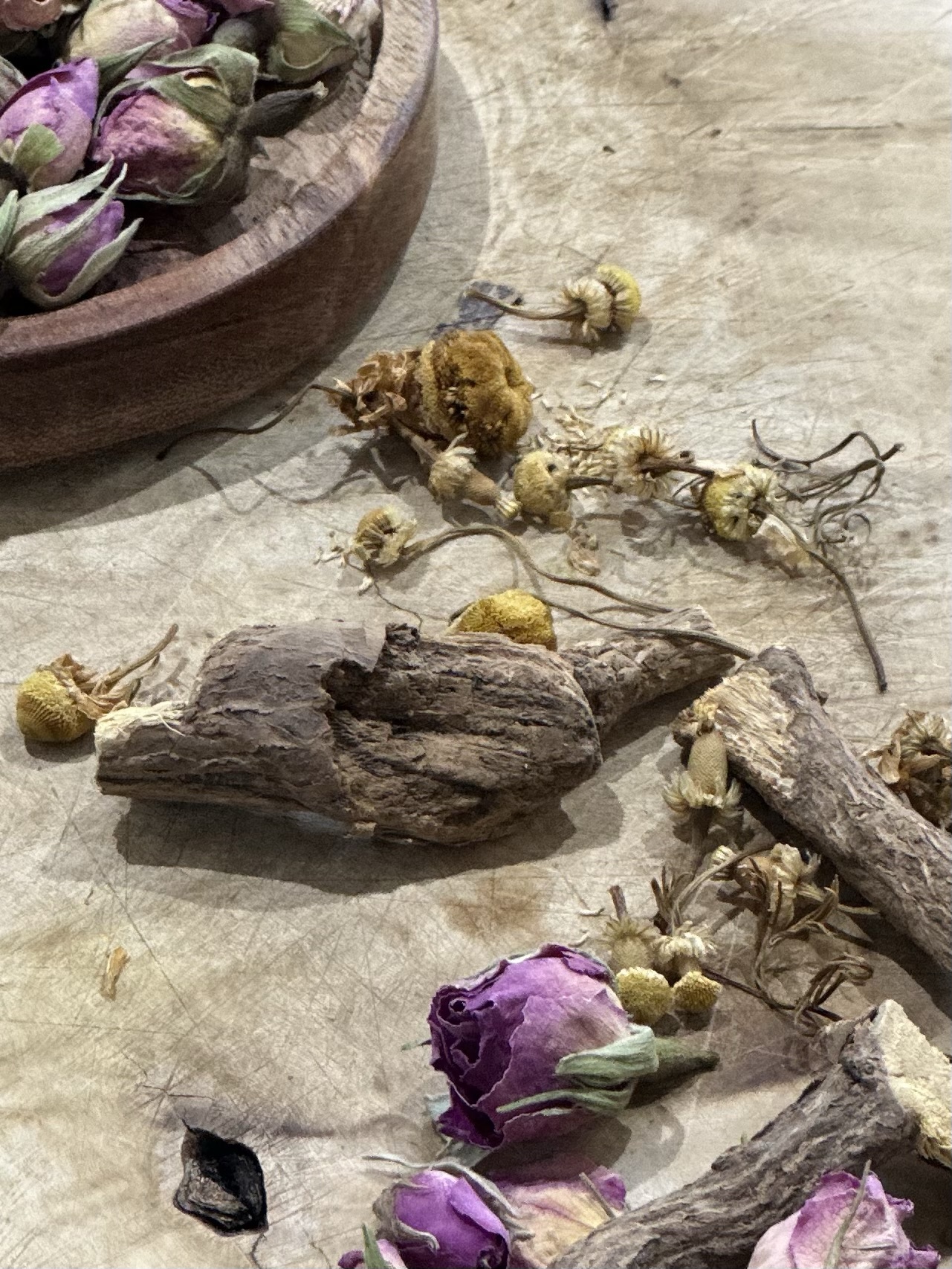
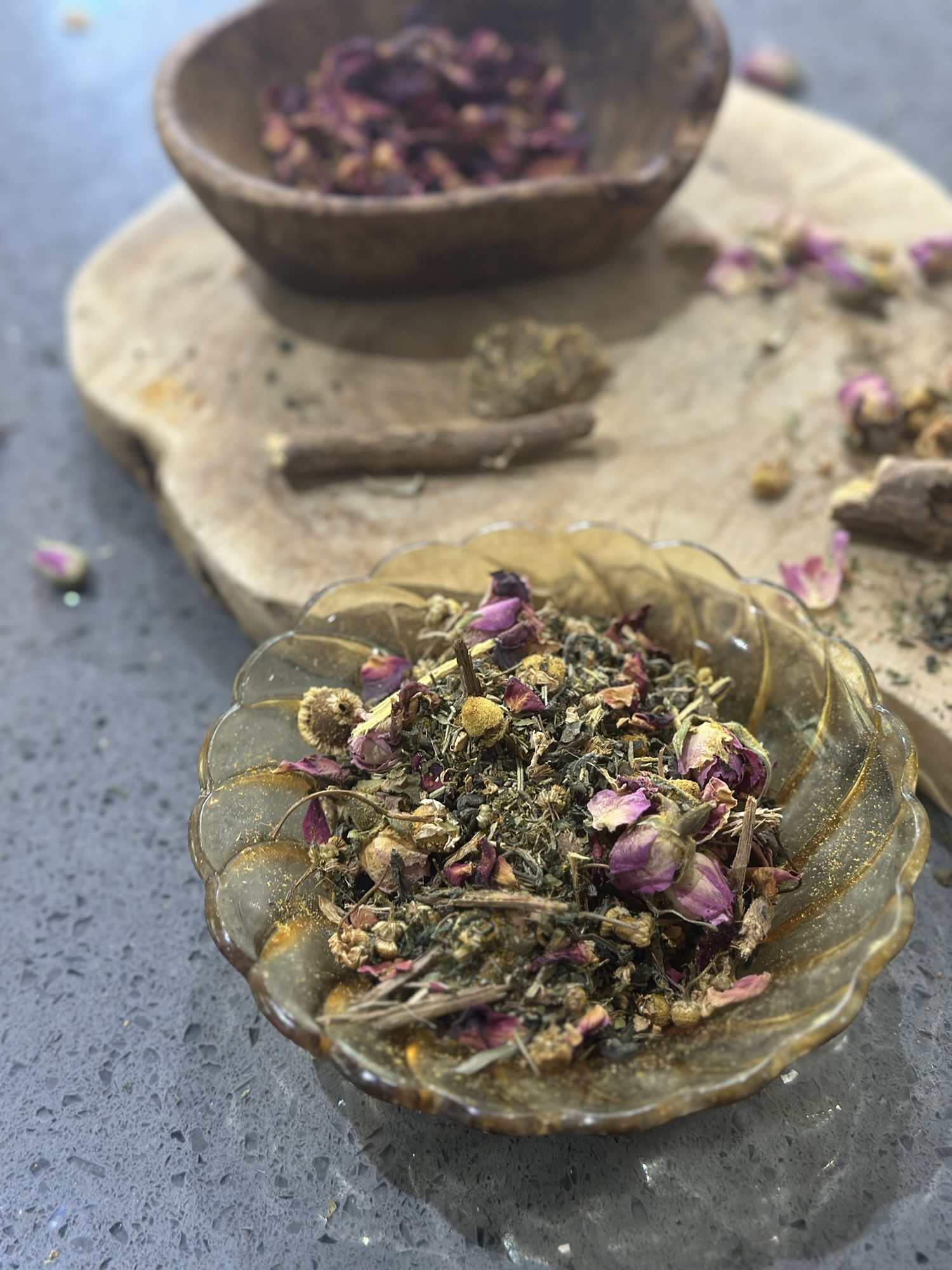
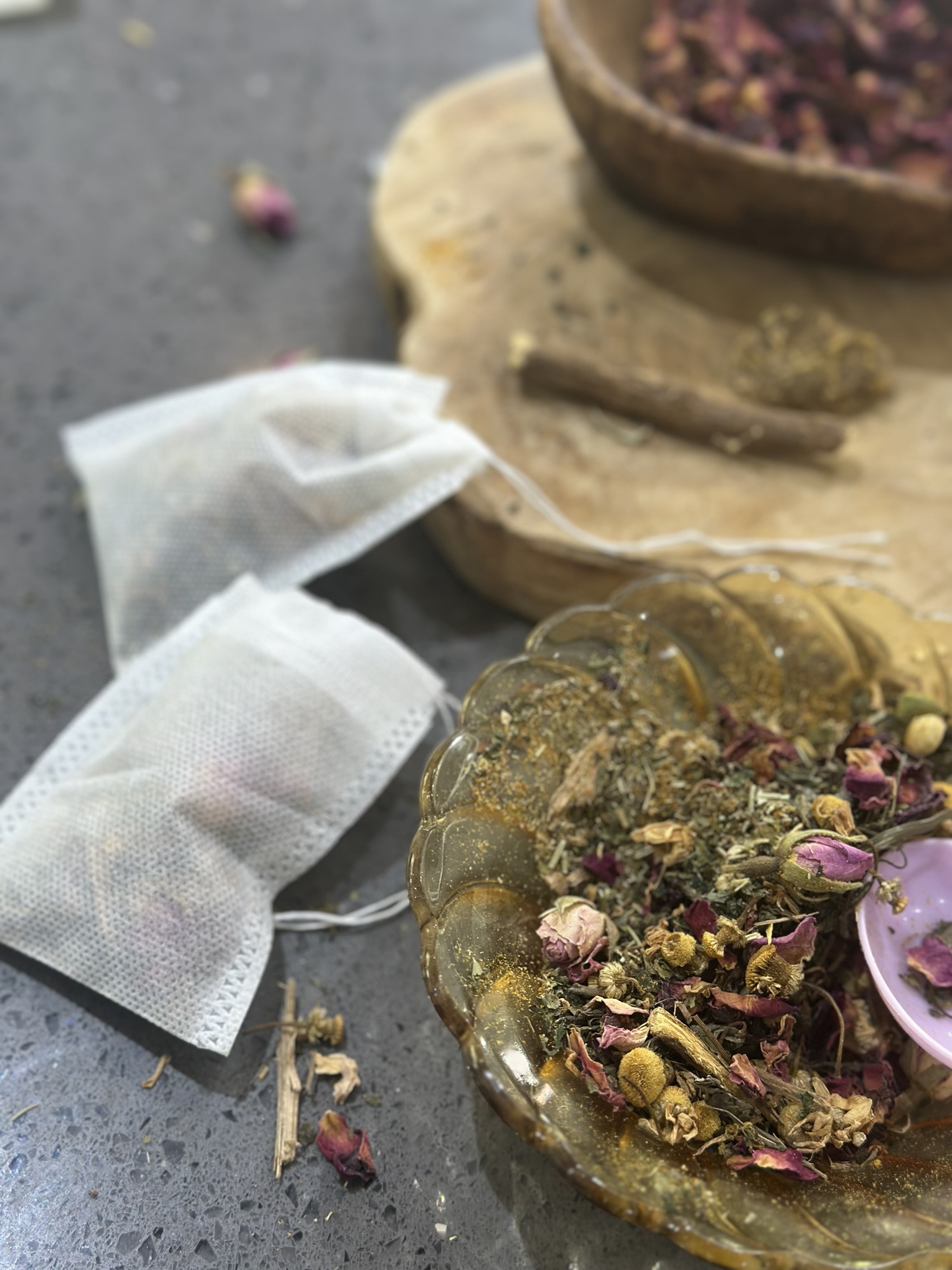
In a clean bowl, measure and mix all herbs and flowers. Because I had re usable tea bags on hand, I added some herb powder in my blend.
Instructions:
Boil 2–3 cups of water and add the herbs
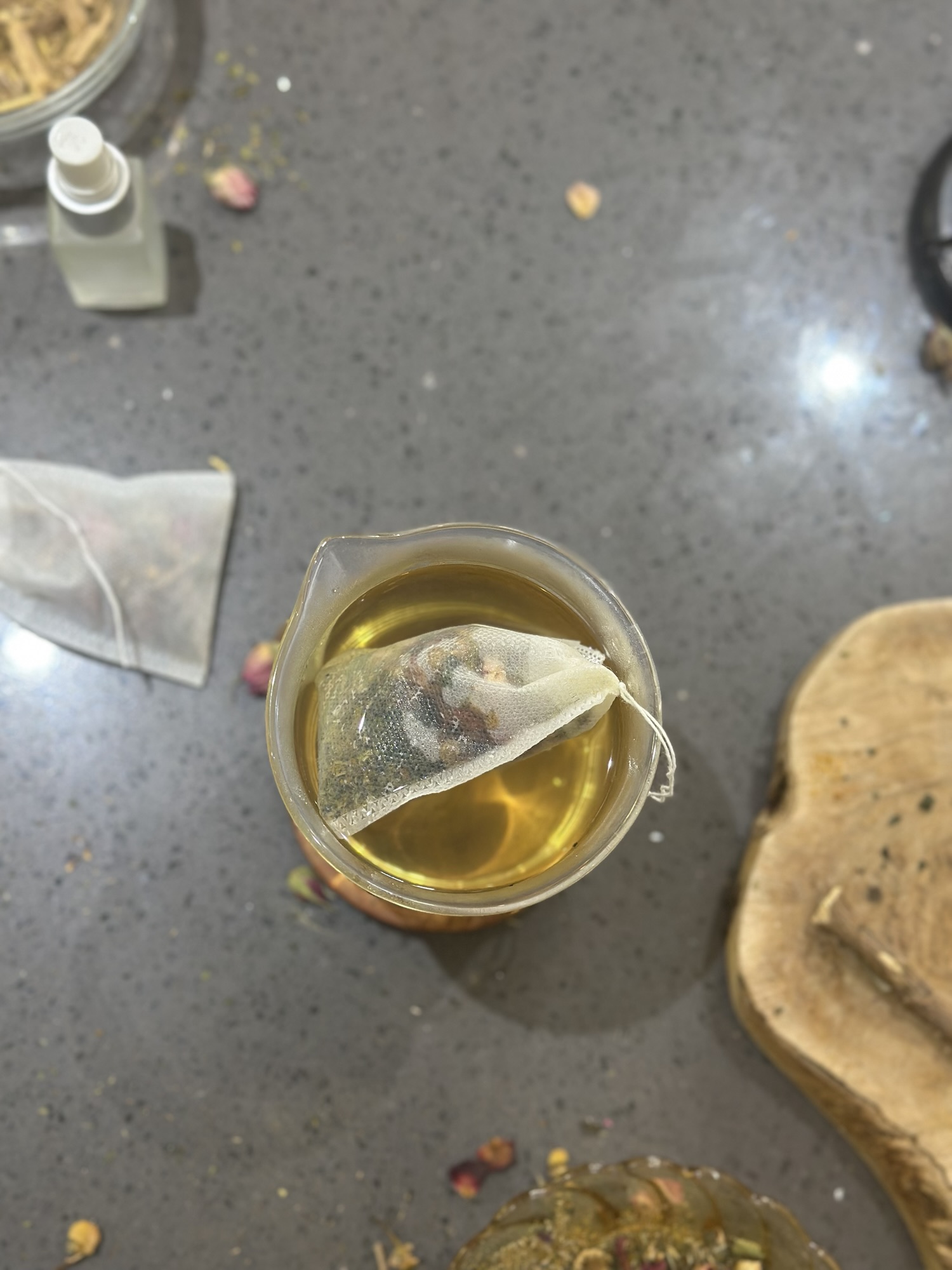
Let steep for 20–30 minutes.
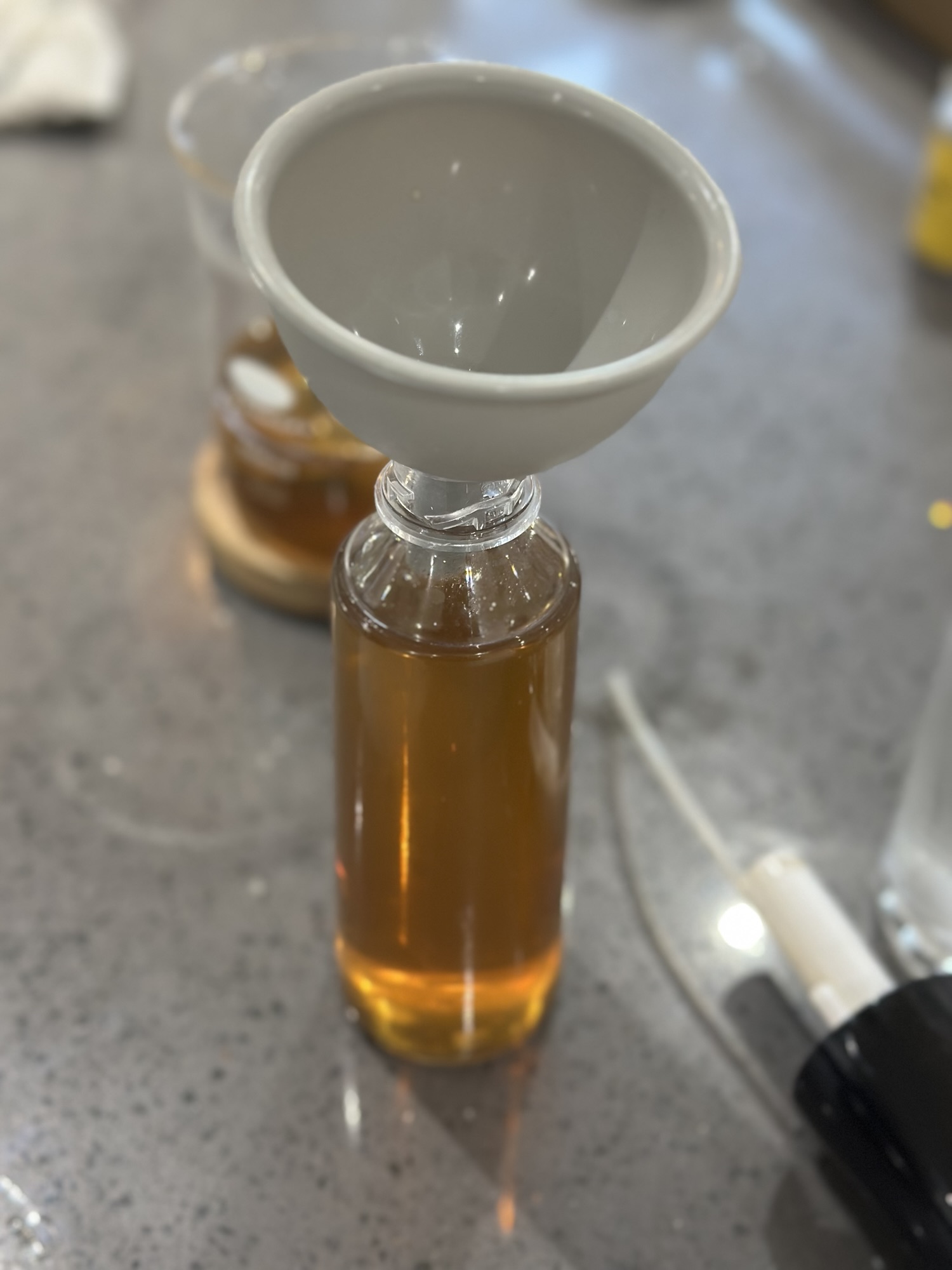
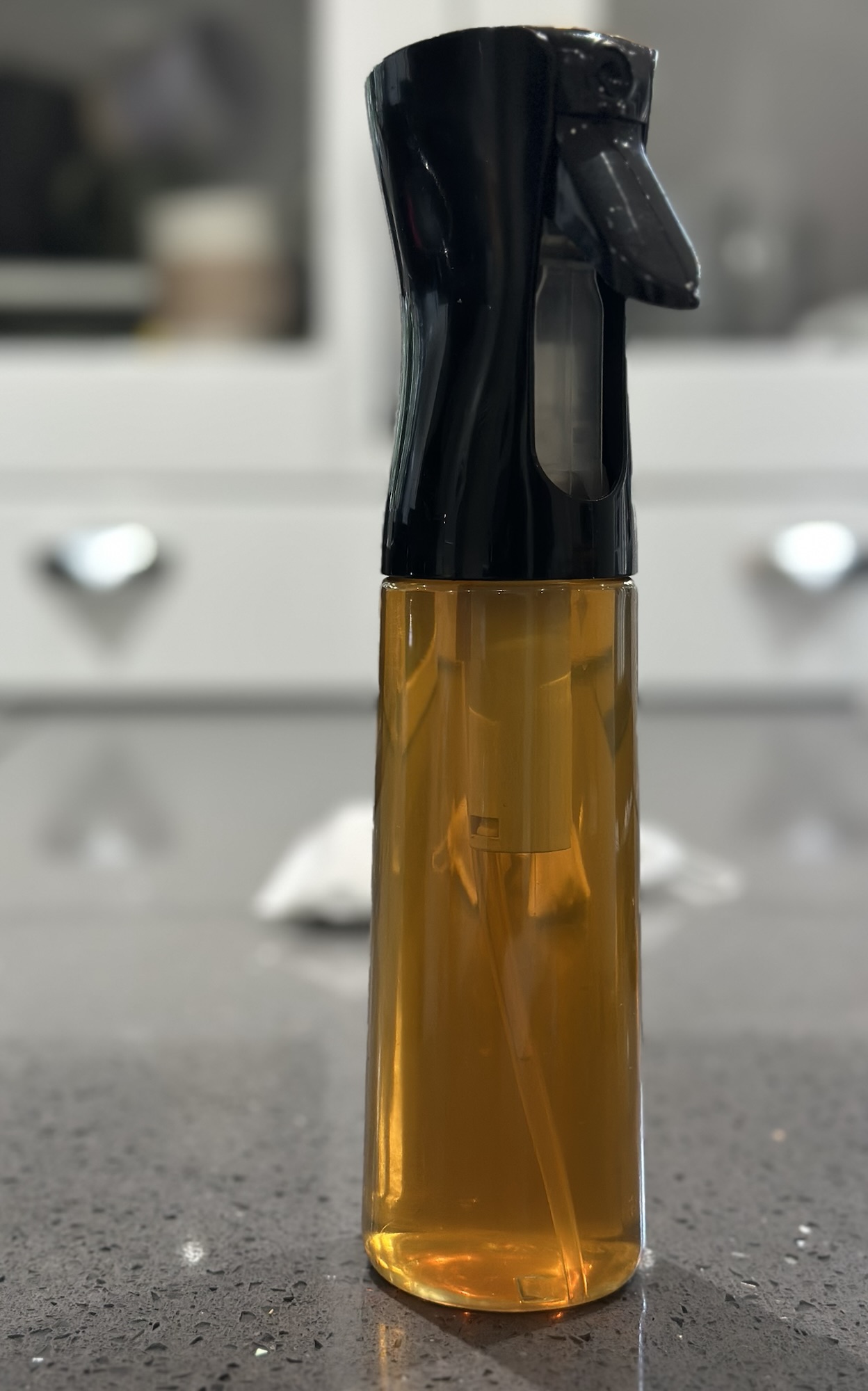
Allow the tea to cool completely and pour in a suitable spray bottle. Using a spray bottle allows for easy dispersion.
If you don’t have a reusable tea bag, simply add the boiled water directly to the herbs. Use a muslin cloth to sieve after brewing.
how to use
- Always do a patch test before applying new herbs to check for sensitivities.
- Use anytime there is need for hydration in your hair care regimen.
- It can be used after shampoo, then condition and rinse out.
- Don’t skip moisturizing afterward.
- Herbs can be drying if not balanced with an emollient like an oil or butter. It helps to seal in all the benefits of the tea, if you are using as a leave-in.
- Glycerin can be added as humectant.
Tea rinses are a simple, affordable, and deeply nourishing way to care for your hair. With regular use, they can help restore balance to the scalp, strengthen your strands and reduce excessive hair shedding.
Thank you for the support as usual and I will love to hear your thoughts on this.
 tlgemsandmixes