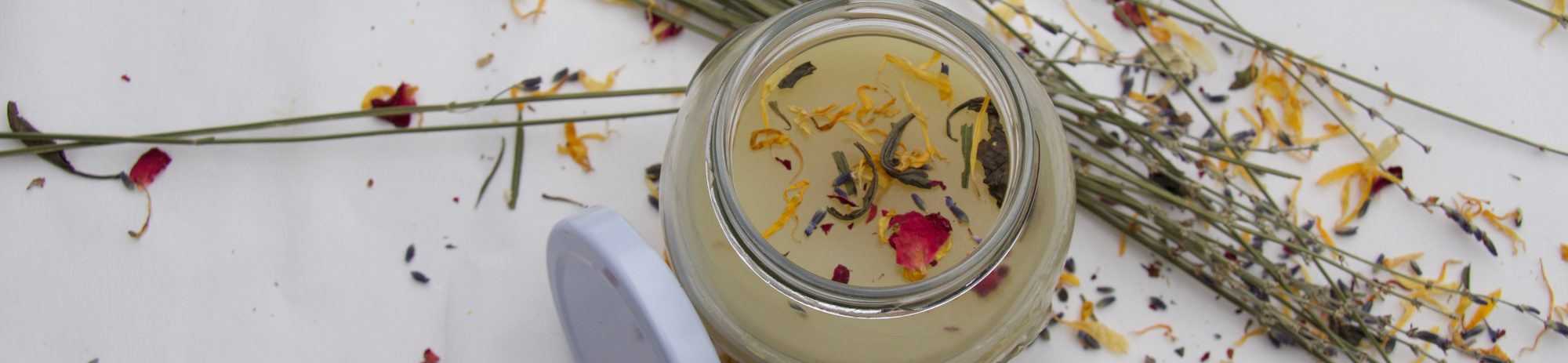
There are so many areas of my life that depend on external systems, people, or circumstances; because of this, I hold tightly to what I can control. Sometimes, a little too tightly, if I’m being honest, but that is a conversation for another day and another place, because today I am going to be sharing a very decadent body cream recipe that I almost did not even post, but let’s get on with it, shall we?
The most important thing for me when formulating my skincare or haircare products is controlling what I can. This approach means avoiding complexity or making them overly precious. Instead, I aim for a recipe that is simple, effective, and truly works for my skin. I want the ingredients to be accessible and affordable at all times.
There should be nothing obscure or difficult to source. I also want the recipe to leave room to grow and evolve as my skin changes over time. Especially as a woman in my forties, this means I’m caring for mature skin that is dry, sensitive, and sometimes unpredictable. On top of that, I may or may not be dealing with eczema.
Some days my skin feels calm; other days it’s not, for no obvious reasons. So whatever I create has to be deeply moisturising and soothing.
The recipe for this cream has been a staple; in other words, this is my everyday body cream recipe that I have tried and tested over and over again. The only difference is that I substitute cocoa butter for Ucuuba butter. (And this is why I hesitated posting this; there was a significant difference in the thickness of the cream that I did not anticipate)
The inspiration was my anhydrous Ucuuba body butter recipe that I posted earlier this year. I LOVE the texture and feel of the butter on my skin, also the earthiness of the natural smell, without the addition of any fragrance/essential oil, was divine for me, so let’s do a quick dive into this gorgeous natural butter and its skin benefits.
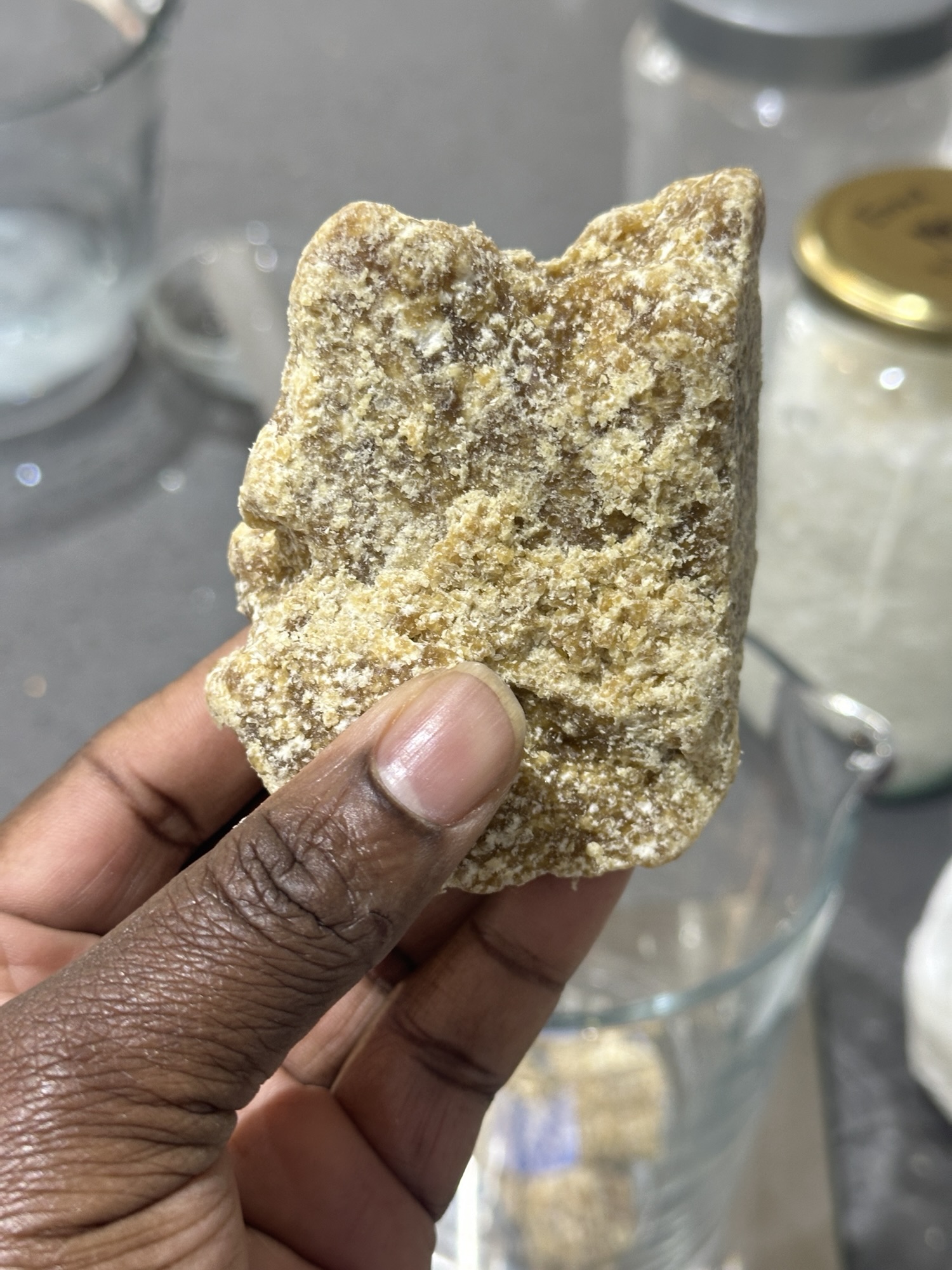
Ucuuba butter is sourced from the seeds of Virola surinamensis. This tree is native to the Amazon rainforest. The butter offers a rare combination of structural strength. It provides skin barrier support and formulation stability. Unlike Shea, cocoa, or mango butter, these contain higher levels of unsaturated fatty acids. Ucuuba butter, in contrast, has a high saturated fatty acid content. It is primarily composed of myristic and lauric acids.
This unique composition gives Ucuuba butter its firm, wax-like texture. It also provides a higher melting point. This makes it more stable and heat-resistant in natural skincare formulations.
Barrier Protection and Long-Lasting Moisturisation
One of the key skincare benefits of Ucuuba butter lies in its ability to support the skin’s natural barrier. When applied topically, it forms a protective occlusive layer that helps reduce transepidermal water loss (TEWL). This results in long lasting moisturisation. Additionally, it enhances protection against environmental stressors like cold weather, wind, and pollution.
Ucuuba butter’s reputation, like most natural butters and oils, is built on a combination of chemical evidence, traditional knowledge, and growing cosmetic research. It is not based on definitive clinical claims.
| Fatty Acid | Typical % by Weight in Ucuuba Butter | Type |
|---|---|---|
| Myristic acid (C14:0) | ~72 – 76 % | Saturated (madarcorporation.com) |
| Lauric acid (C12:0) | ~16 – 20 % | Saturated (madarcorporation.com) |
| Palmitic acid (C16:0) | ~7 – 9 % | Saturated (madarcorporation.com) |
| Total Saturated fats | ~100 % | (madarcorporation.com) |
| Note: One academic GC-MS analysis also found minor variations depending on the source; sometimes caprylic acid appears at ~11%. (ResearchGate) |
Hydration, Moisturisation & Barrier Support
- Saturated fatty acids like lauric and palmitic are key for reinforcing the outer lipid layer of the skin. They help keep moisture and protect against environmental stressors.
- Fatty acids in topical oils contribute to skin barrier function and hydration by reducing transepidermal water loss.
Anti-Inflammatory & Soothing
- Lauric and related fatty acids exhibit anti inflammatory and antimicrobial effects, which help soothe irritation, especially in dry or stressed skin.
- Traditional and cosmetic use includes applications for eczema, acne, and dryness due to these properties.
Anti Aging and Elasticity
- Some cosmetic sources suggest that myristic acid promotes skin elasticity and slower wrinkle formation, though comprehensive clinical trials are limited.
- Vitamins A and C (reported in Ucuuba) can offer antioxidant protection, helping reduce oxidative stress on skin cells.
Why Ucuuba Butter Works Best in Blended Formulations
Ucuuba butter is highly saturated. It offers a more “dry” skin feel. It performs best when paired with complementary plant butters and oils.
Blending Ucuuba with ingredients rich in oleic and linoleic acids enhances the balance of fats. You can use Shea butter, cupuacu butter, or jojoba oil for this purpose. Mixing it with these ingredients enhances the balance of fats.
THE RECIPE
This recipe is 800grams.
Phase 1
65% distilled water 520 grams
5% urea 40 grams
Phase 2
5% Ucuuba butter 40 grams
6% avocado oil + hempseed oil 48 grams
5% emulsifying wax 40 grams
3% cetearyl alcohol 24 grams
2% stearic acid 16 grams
Phase 3
1% (preservative 12) 8 grams
2% gotu kola extract 16 grams
1% caramel + vanilla skin safe fragrance oil 8 grams
METHOD
Measure the phase 1 ingredients into a heat-safe jar, and do the same for phase 2 in a different heat-safe jar.
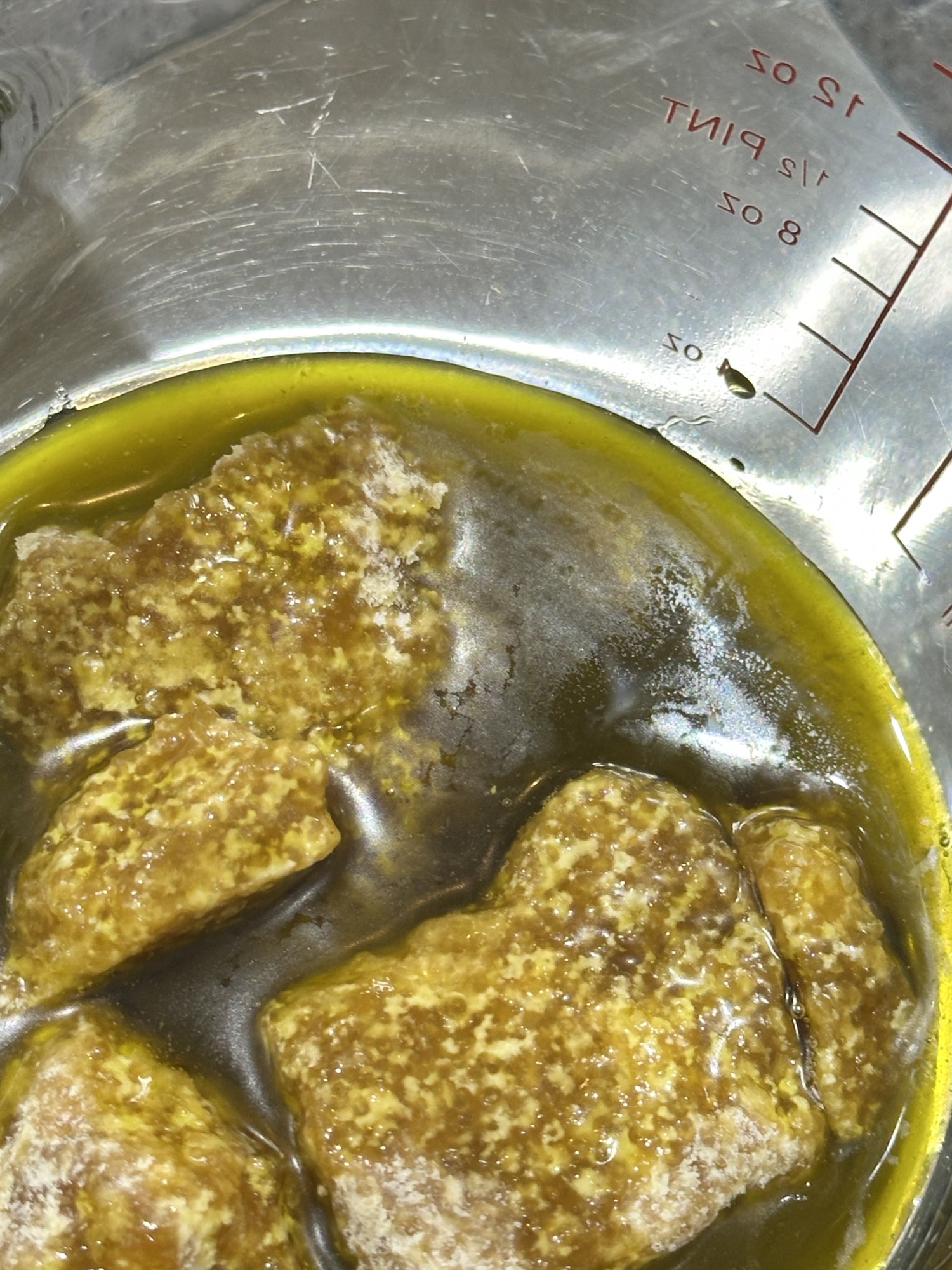
Using a double-boiler method, heat both phases until the temperature reaches about 70°C. Sometimes I use the microwave to melt and heat up my ingredients in a 30 seconds bursts for 4 to 5 times, depending on the hardness of my butter.
Once both phases are at about the same level, slowly pour the oil phase into the water phase.
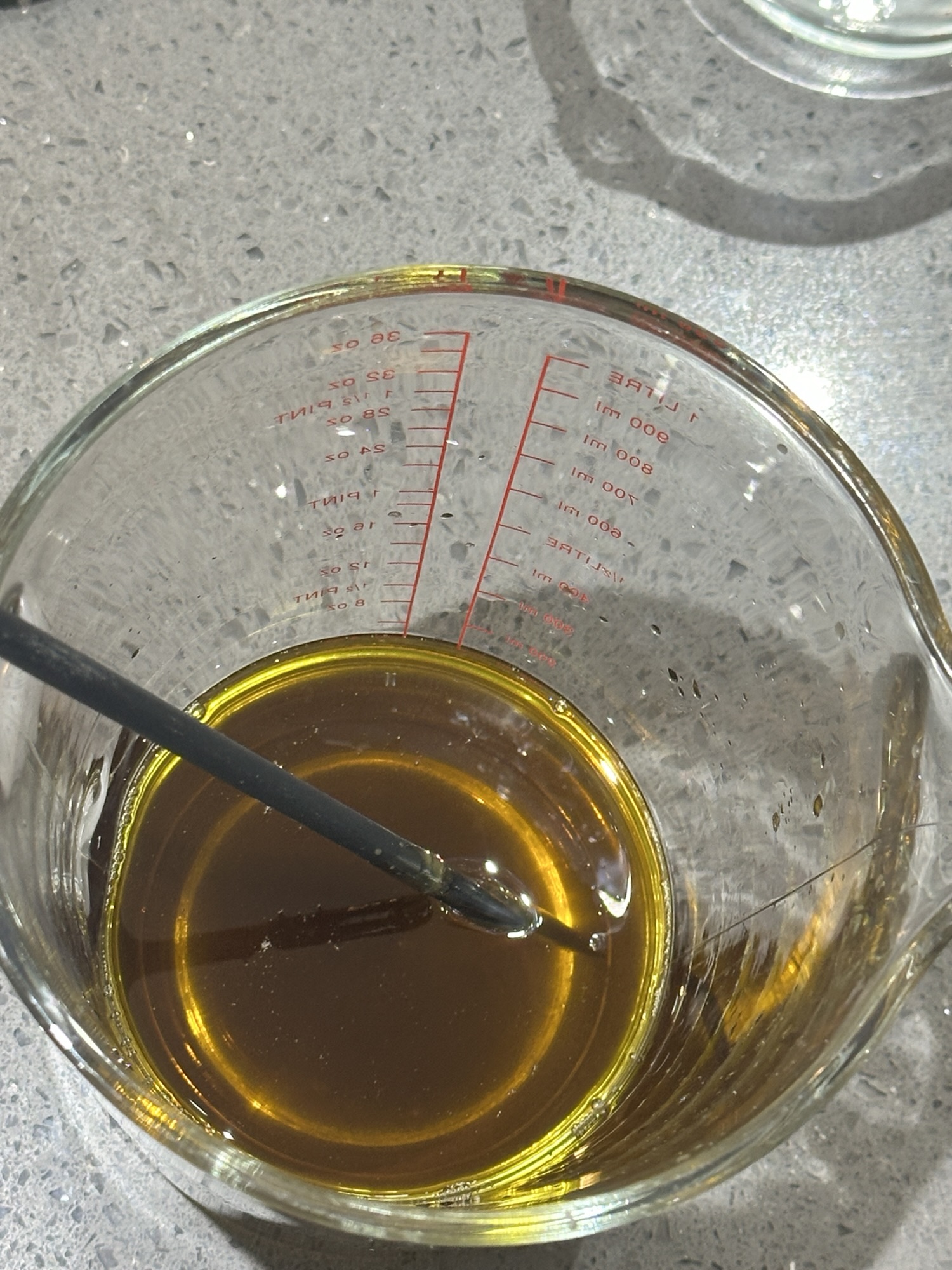
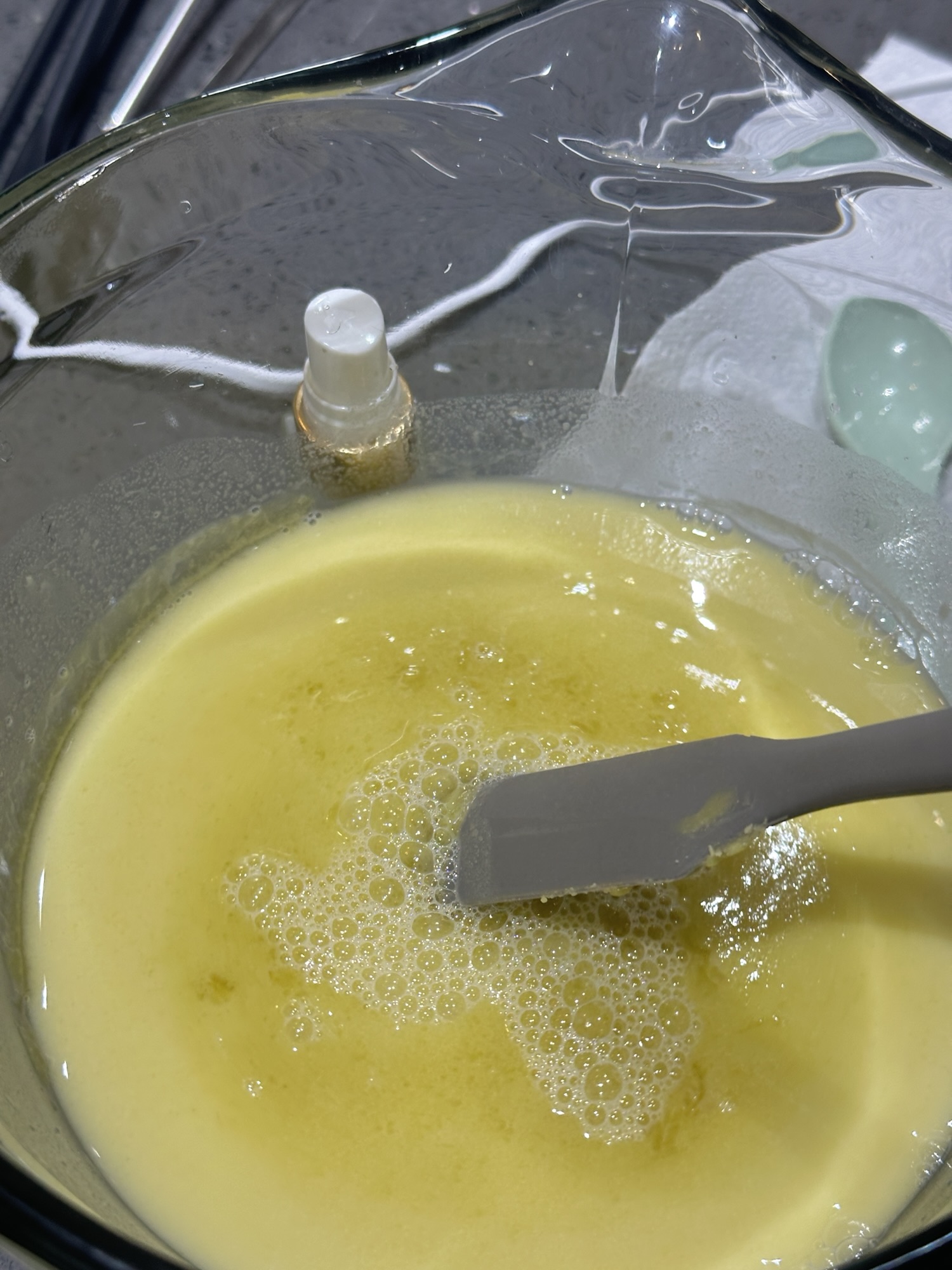
Blend using a stick blender for 3-5 minutes until it forms a creamy consistency.


Allow the emulsion to cool to below 40°C (104°F).
Measure the phase 3 ingredients, combine and mix well.
Allow to cool down more, then proceed to scoop into a suitable container/jar.
I need to make an observation: between my usual cocoa butter cream and Ucuuba cream, I prefer the cocoa butter because it is thicker in terms of its texture and feels more silky.
On the other hand, the Ucuuba felt more like a heavy lotion; in fact, I would describe it as skin pudding cream. It also felt more fluffy and light.
It is a beautiful cream with a light feel on the skin, yet extremely hydrating, and I would even suggest it may be an excellent alternative for someone with oily skin.
Also, the combination of vanilla and caramel fragrance from https://www.thesoapkitchen.co.uk gives it a sweet, creamy smell that is really lovely.

The incredible thing about control is the allowance to block out the noise and focus on the important things.
Don’t get me wrong, it could also be detrimental to growth. However, we are focusing on how it allows freedom of choice to pick and choose exactly what is needed, filter out anything unnecessary, and focus on the most important things. I hope it makes sense…
Anyway, thank you for reading, and see you soon.
 tlgemsandmixes