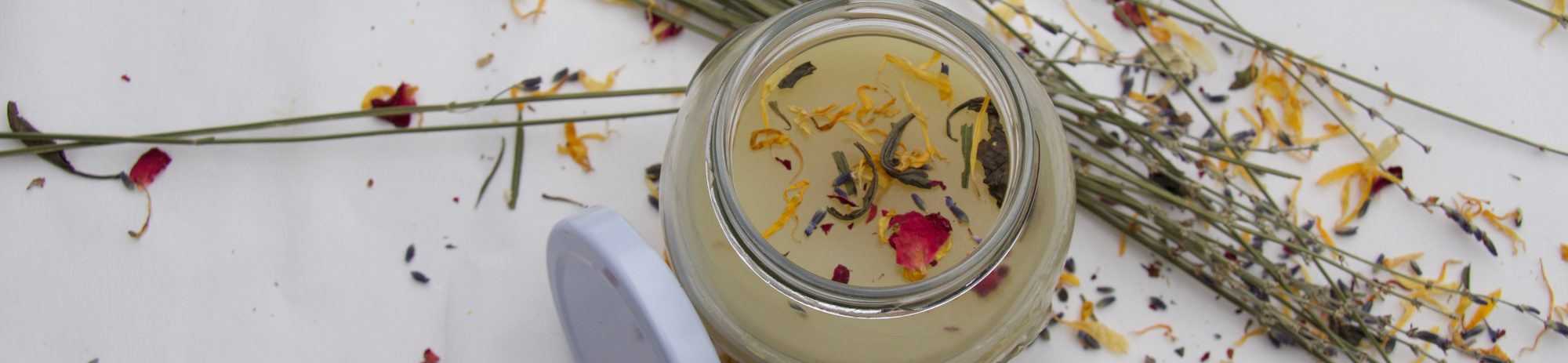
This blog was supposed to be posted in March, but I kept editing and rewriting, and because consistency is a personal struggle, it got put on hold. However, I am coming to a realisation that showing up as you are, imperfect as it may seem, is better than not showing up at all, so enjoy this very imperfect blog about making a waterless cream on a rather random Wednesday morning.
Rosehip seed oil is rich in essential fatty acids like linoleic and alpha linolenic acid, which help repair the skin barrier and reduce moisture loss. It also contains natural vitamin A derivatives that support skin regeneration, making it especially helpful for improving the appearance of scars, uneven tone, and post-inflammatory marks.
Clinical studies have shown that rosehip oil can improve scar texture, redness, and pigmentation over time (García Hernández et al., 2012; Valerón-Almazán et al., 2015).
Also, camellia oil (often from Camellia japonica or Camellia oleifera), on the other hand, is high in oleic acid, which helps soften and deeply moisturise the skin. It contains antioxidants like vitamin E and polyphenols that protect the skin against environmental stress.
Research suggests camellia oil supports skin barrier function and improves hydration, making it ideal for dry, sensitive, or compromised skin (Lee et al., 2018; Kim et al., 2020).
Therefore, when I bought a really pretty dress, and I ended up with an outbreak of eczema (It turns out my skin hates some type of plastic fabric these days, hence the gift of eczema), the most sensible thing is to reach out to these oils in combination with herbs and skin soothing extract for a skin healing balm.
This will be an anhydrous cream, meaning it is a waterless recipe and essentially like a balm but softer. I also included chamomile and calendula extract in this powerhouse balm.
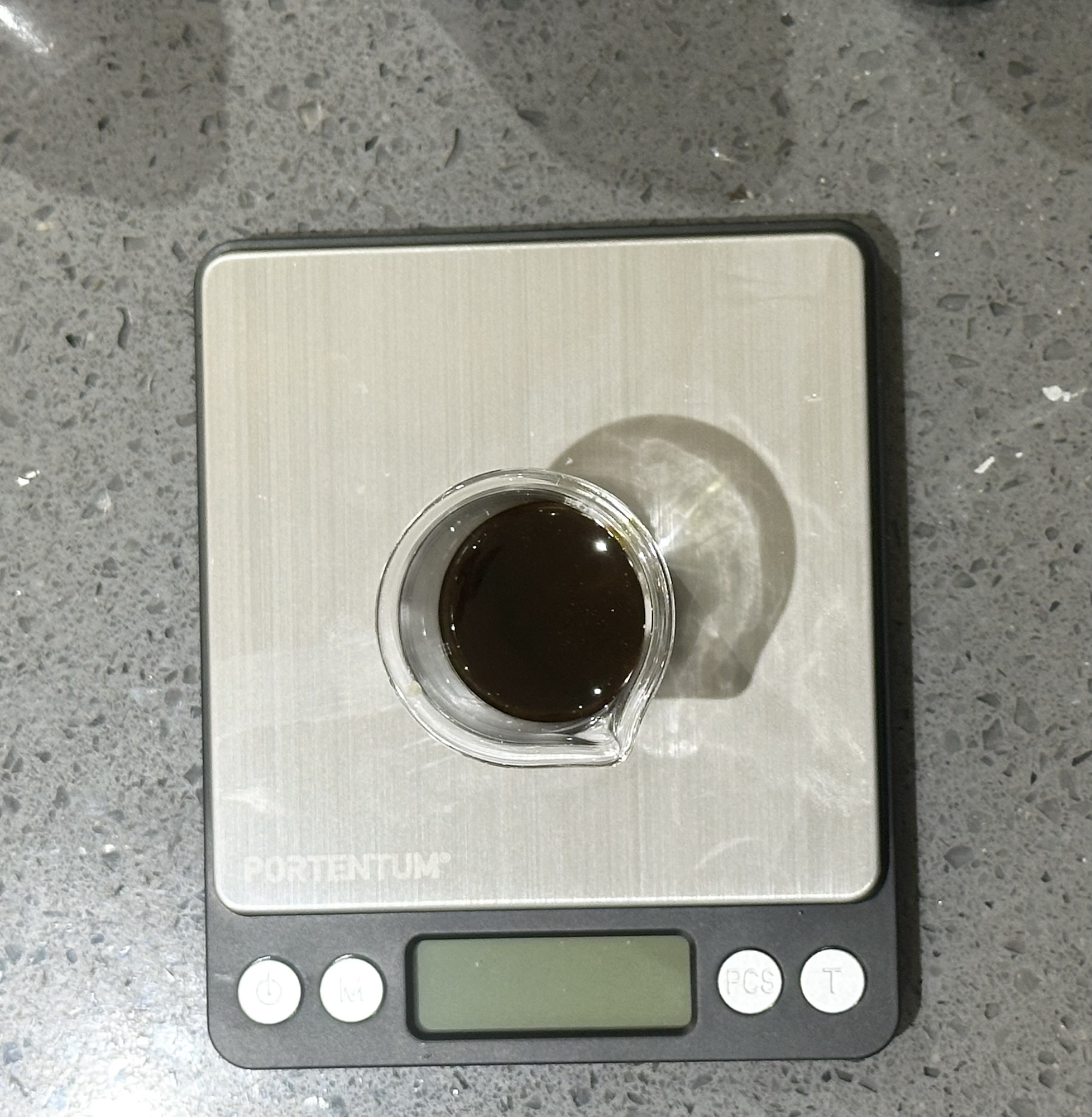
The rosehipseed oil gives a unique, intense, almost dark colour. Be careful with this because I think it may stain your white clothing.
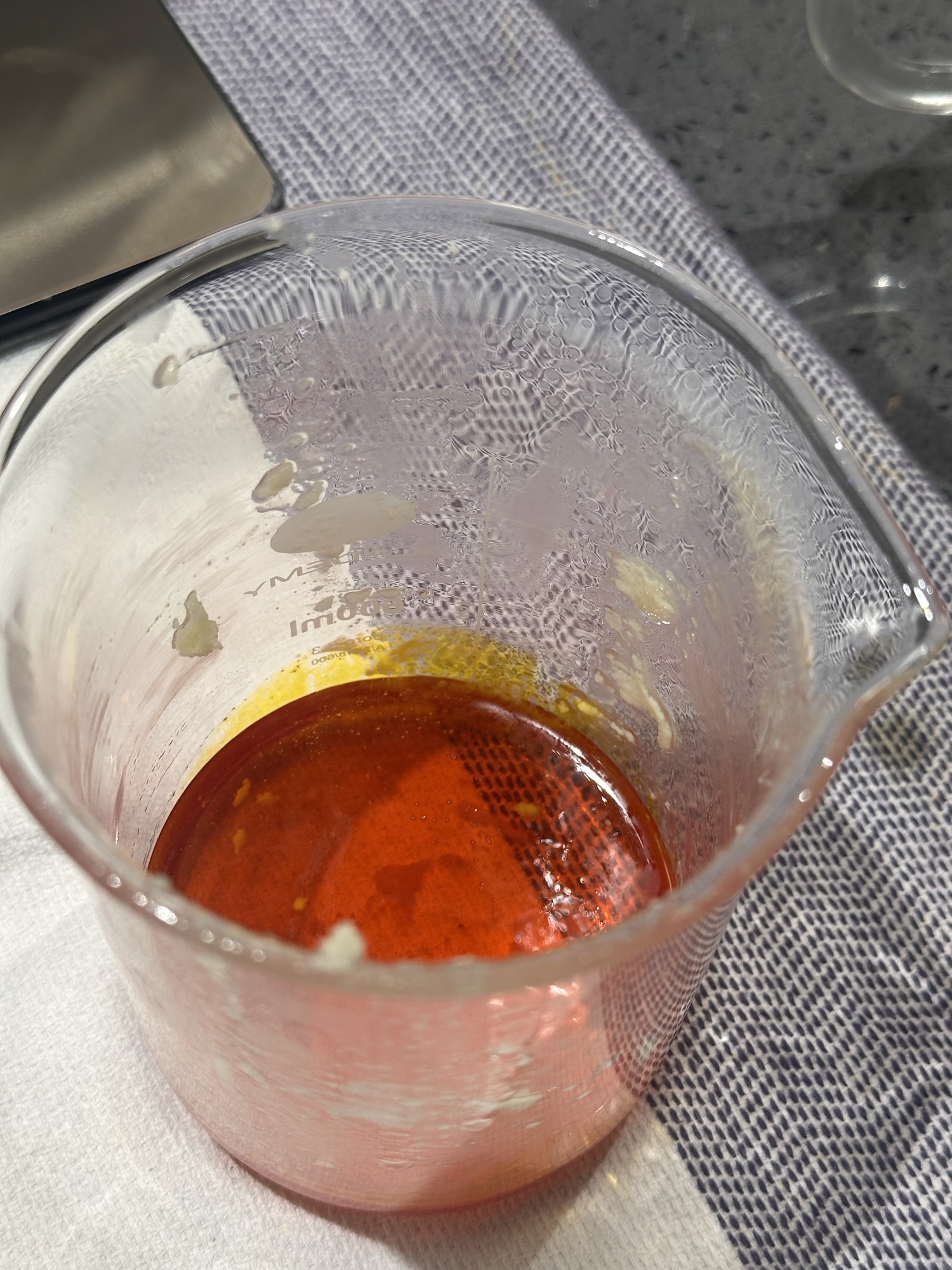
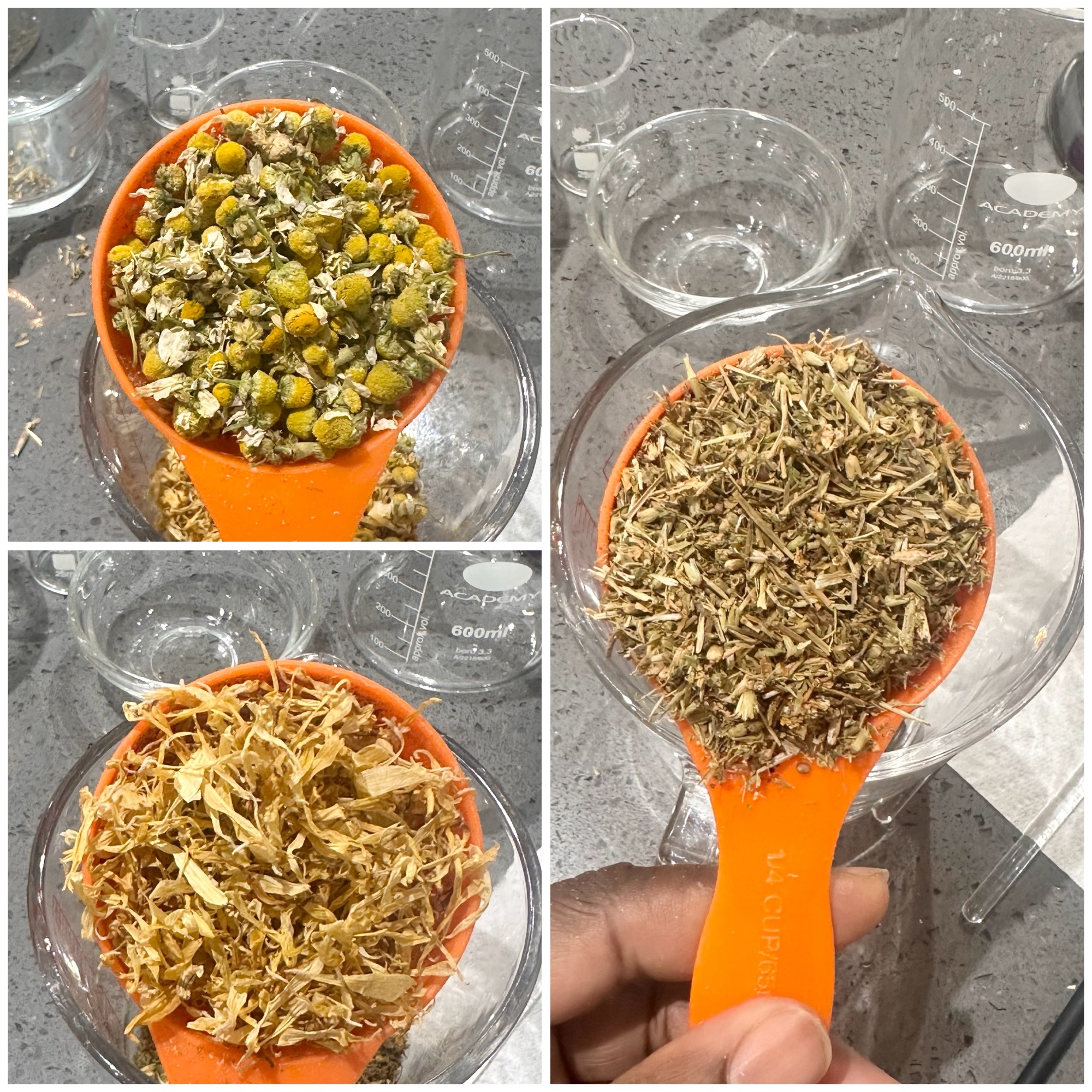
The oil was infused with dried chamomile + calendula + chickweed herbs from here. They are an online Whole Foods vendor in the UK that I have tried, and I trust their services.
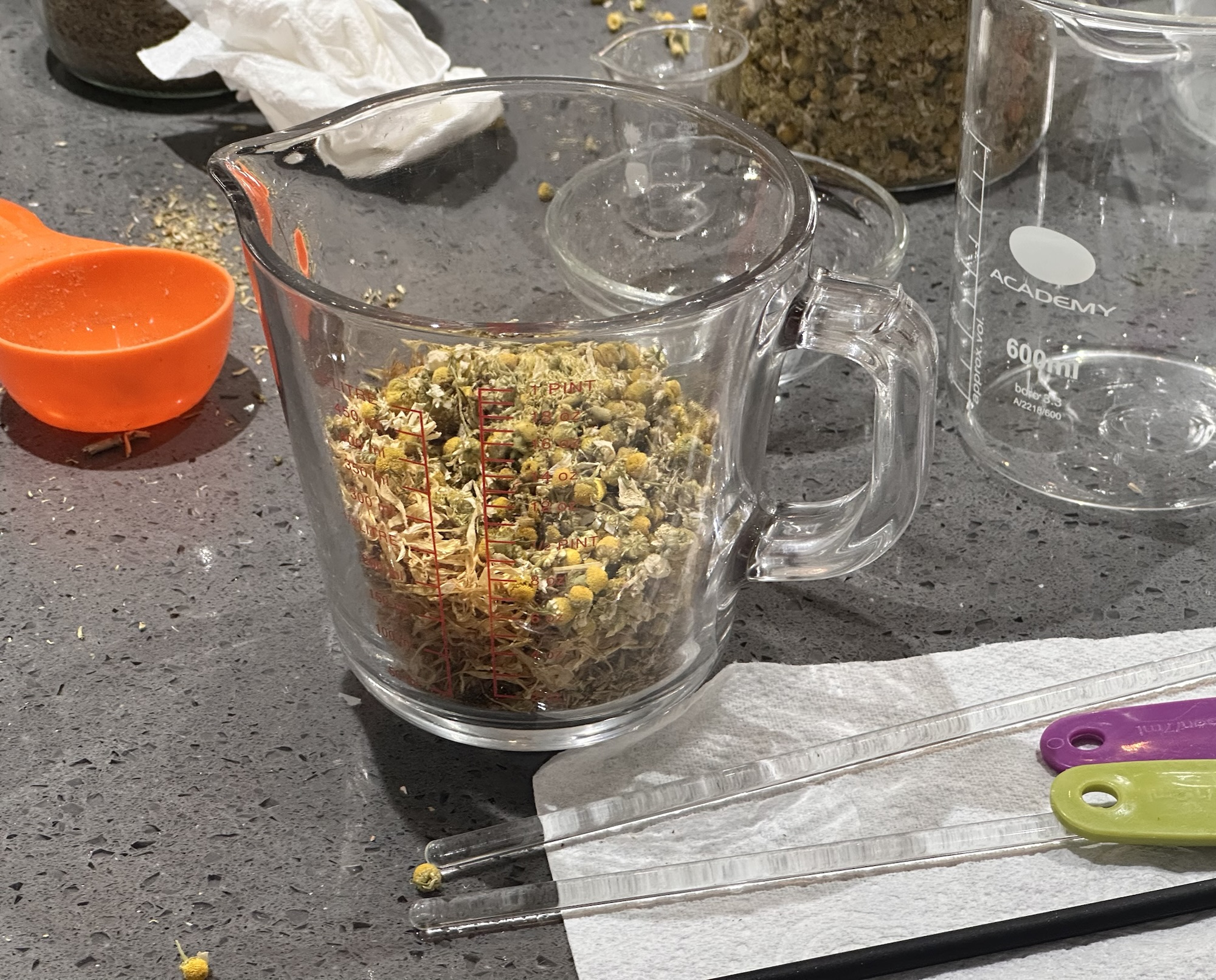
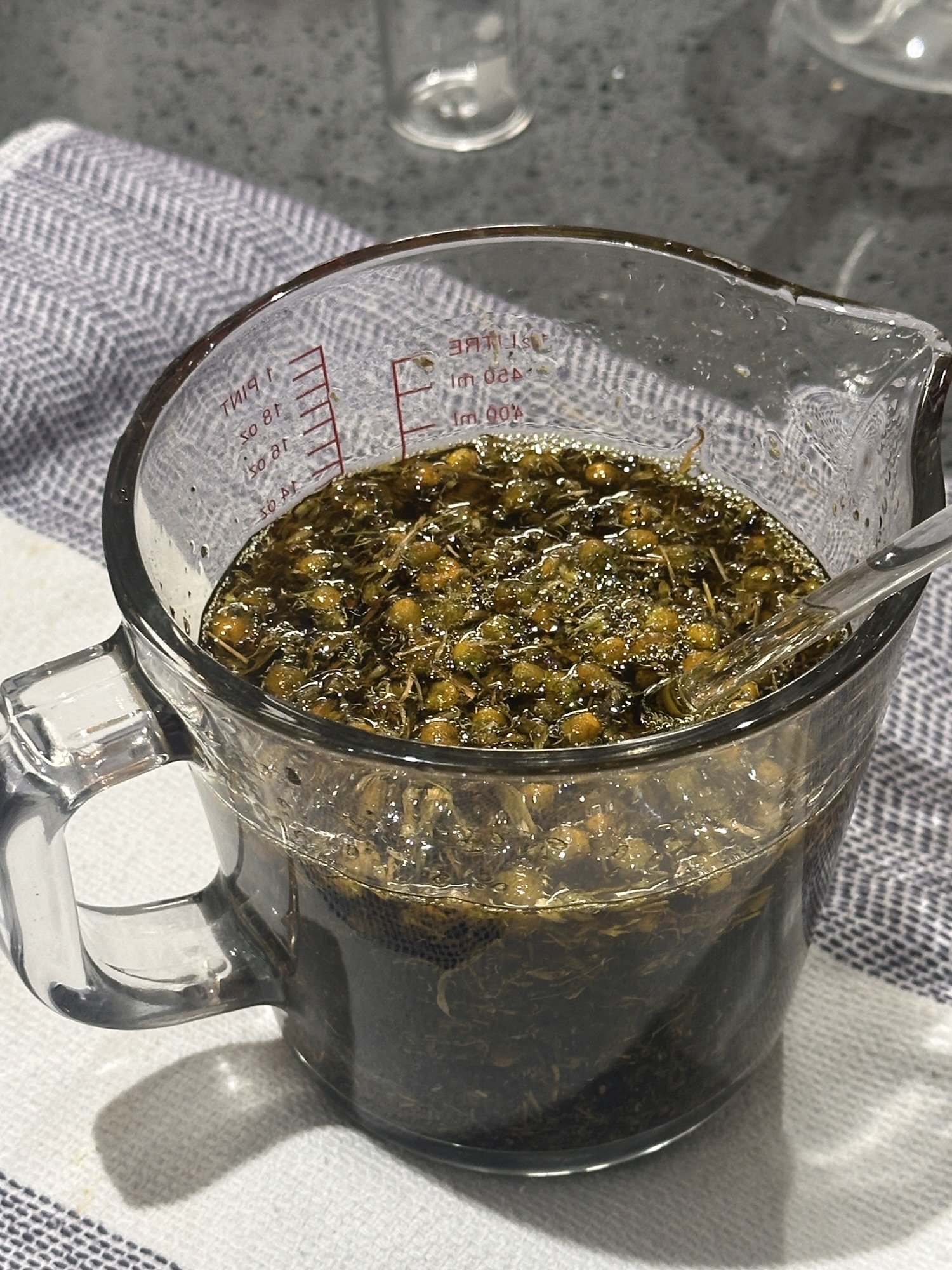
This was a quick infusion; the herbs and oil were combined in a clean and heat safe jar. In this case, I used camellia seed oil for the infusion. You can use safflower oil, hempseed oil or almond oil for the infusion.
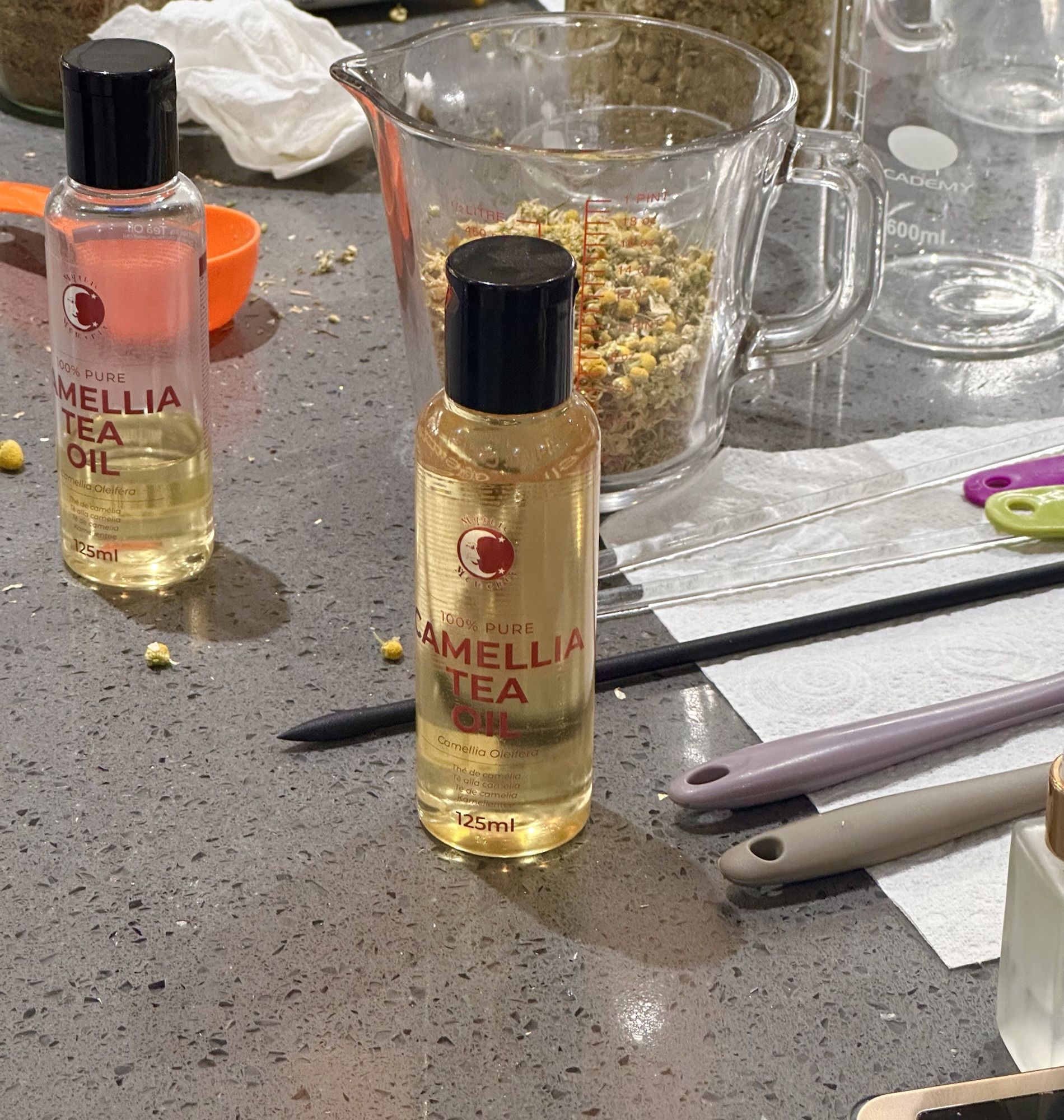
I prepared a double boiler, and the jar was placed inside for about 30 minutes over very low heat.
Then take it out of the double boiler, clean off the excess water on the jar and let it infuse for up to 2 hours.
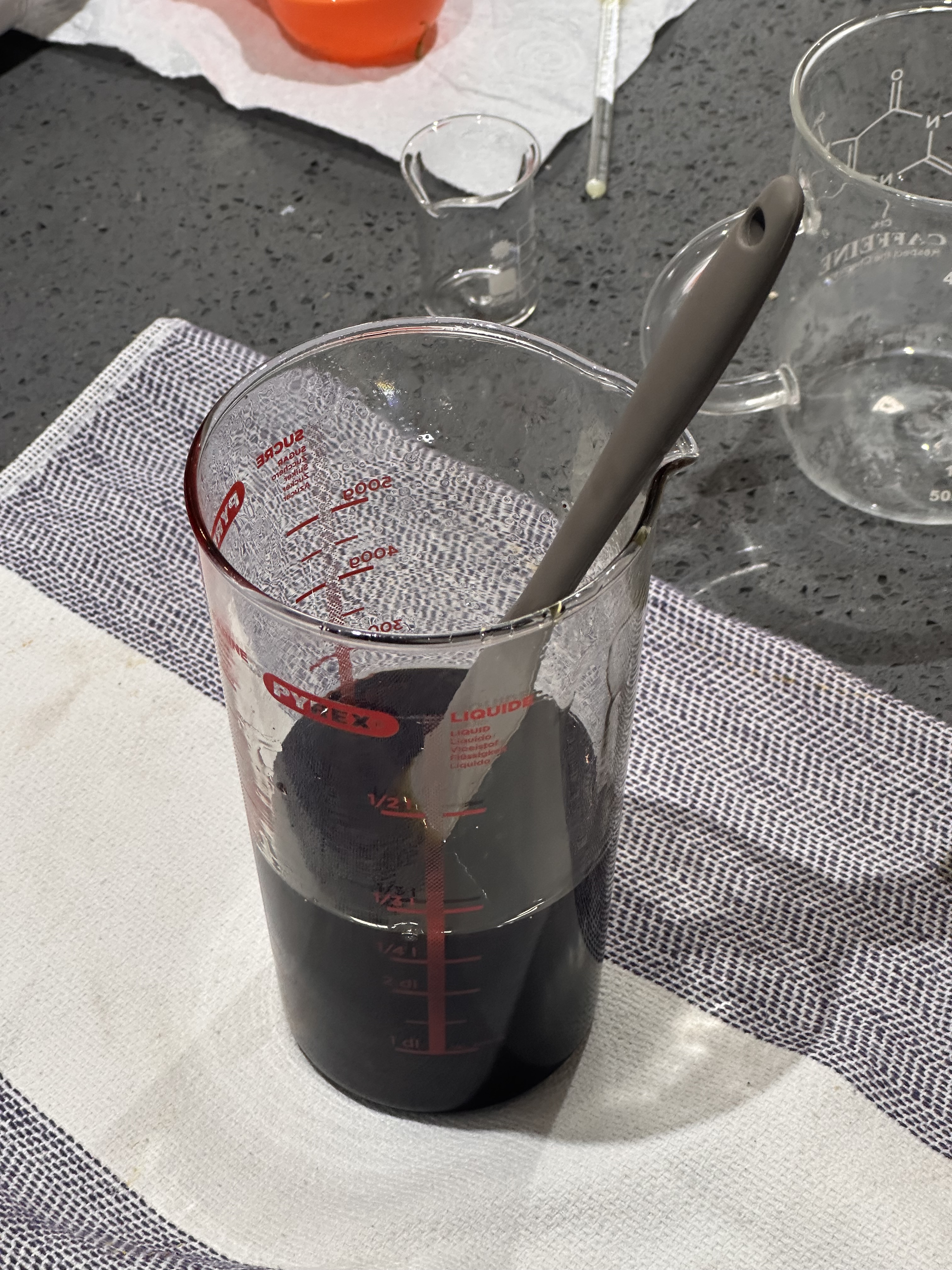
After 2 hours, with the use of a cheesecloth, separate the herbs from the oil, measure the needed oil and store the rest in a suitable container and keep in a cool, dark, dry place.
THE RECIPE (This is a recipe for 350 grams)
Phase 1
65% Kokum butter 227.5 grams
21% camellia tea oil 73.5 grams
Phase 2
10% rosehipseed oil 35 grams
2% eco silk 7 grams (Optional, you can add more oil to your recipe), however, this helps in enhancing the texture.
1% vitamin E 3.5 grams
1% calendula extract + chamomile 3.5 garms. These two extracts can be found here.
THE METHOD
Measure all the phase 1 ingredients into a clean and heat safe container.
Melt using the double-boiler method.
Gradually stir in phase 2 ingredients until well combined and mixed until it reaches a thicker consistency, more like a trace. This will be quicker if the container is put into a cool bath of water while mixing.
Proceed to pour into a suitable container, place in the fridge and allow to set.
You can also whip this up if you prefer the fluffy consistency.
This is best used when the skin is slightly damp.
And don’t forget to always keep your finished product away from direct light or heat.
For the sake of transparency, though, this did not go as planned, because along the way, I decided to make some adjustments to my recipe.
The first thing I did was replace some grams of the kokum butter with shea butter.
Then I proceeded to melt down the kokum butter, but not the shea butter, because I wanted to use my immersion blender to blend in the shea butter without melting.
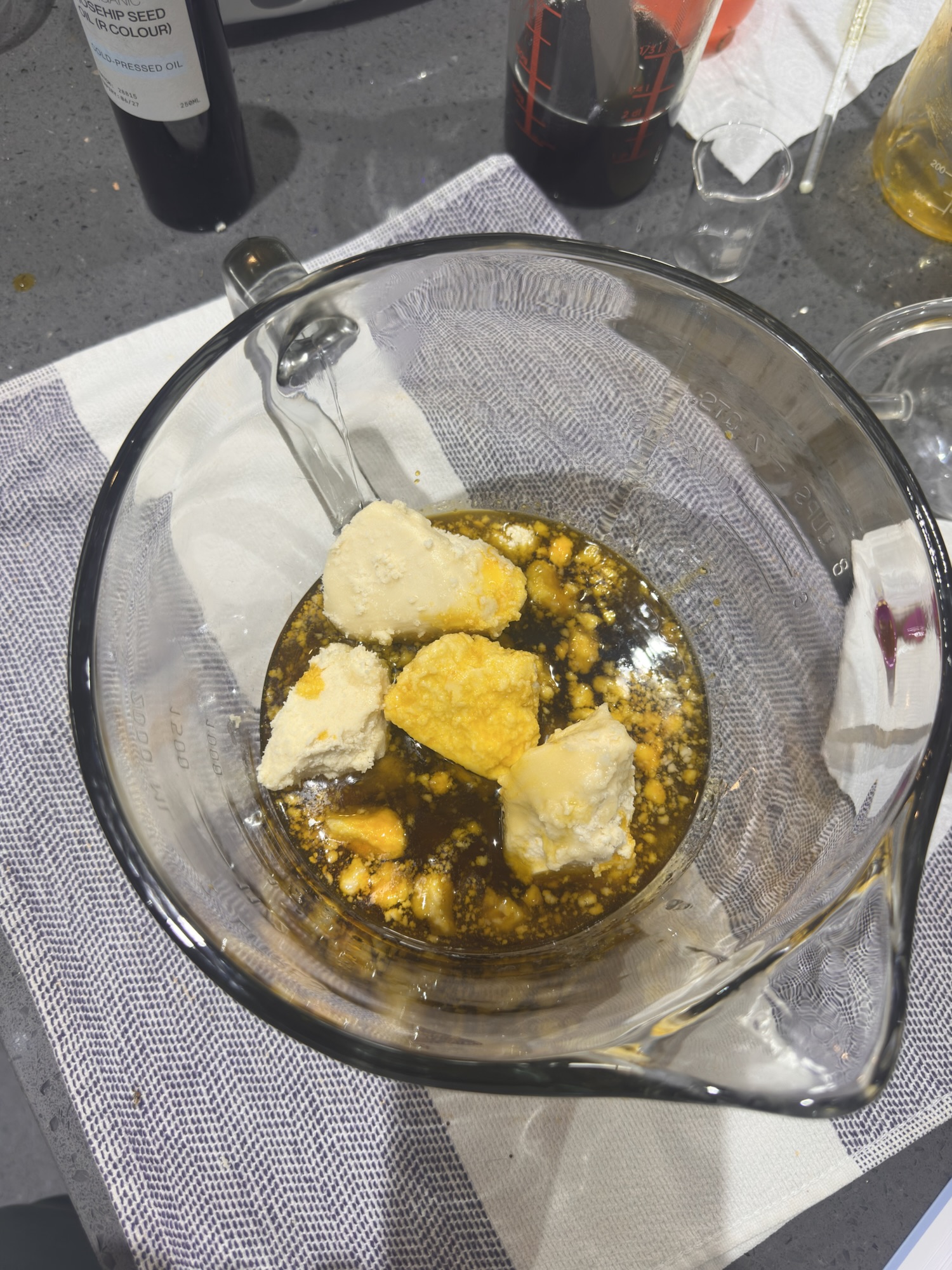
With the use of an immersion blender, I blended all the ingredients, which is good if I had not melted the kokum butter previously. The kokum butter did not have enough time to solidify due to my lack of patience before other ingredients were added and blended, thereby creating a few grainy pieces with the finished balm as it got cooler slowly.
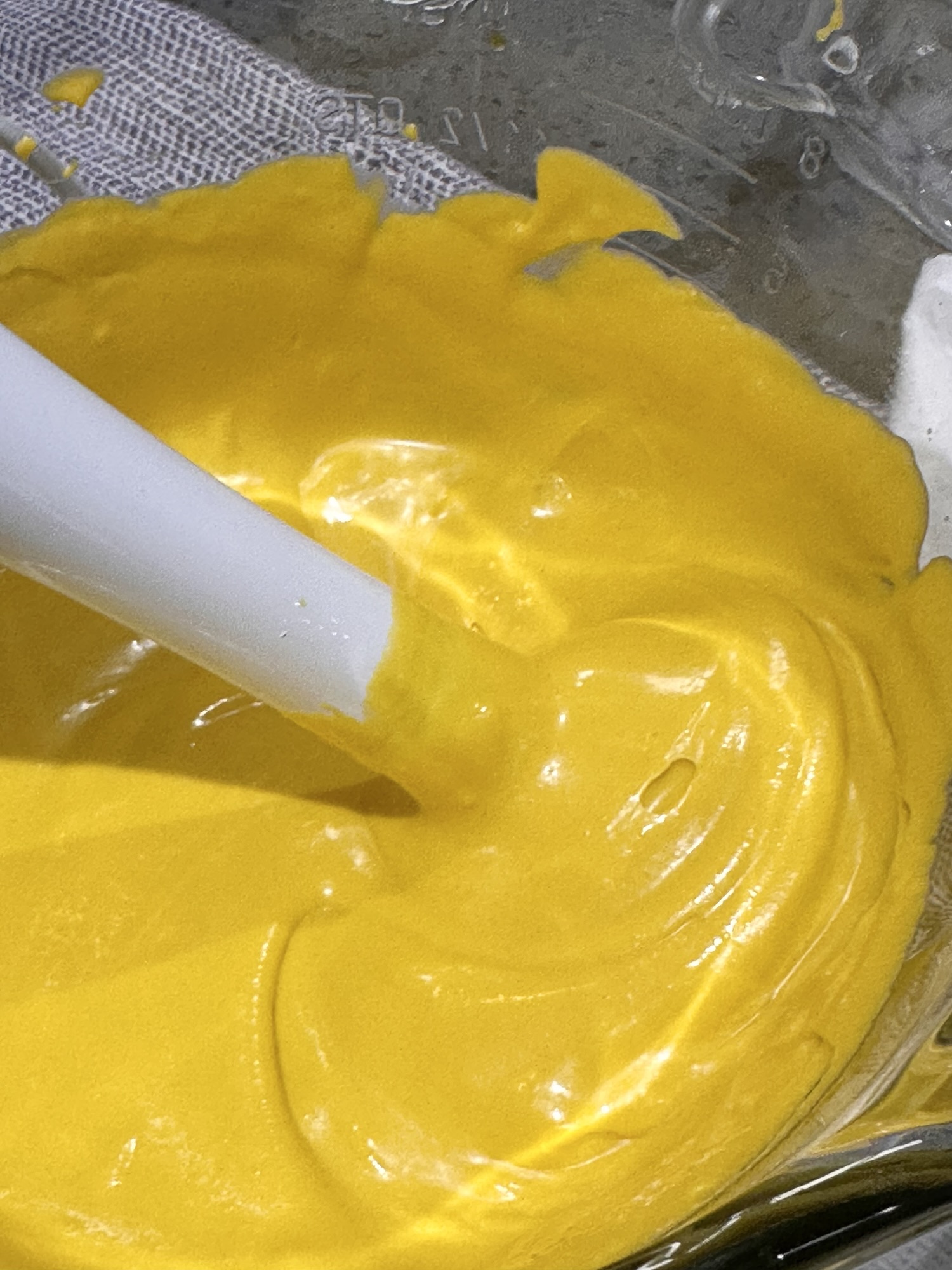
The grainy feeling is very slight, and it does not affect the functionality of the cream.
It does take away from the experience, and the graininess could be annoying while using it.
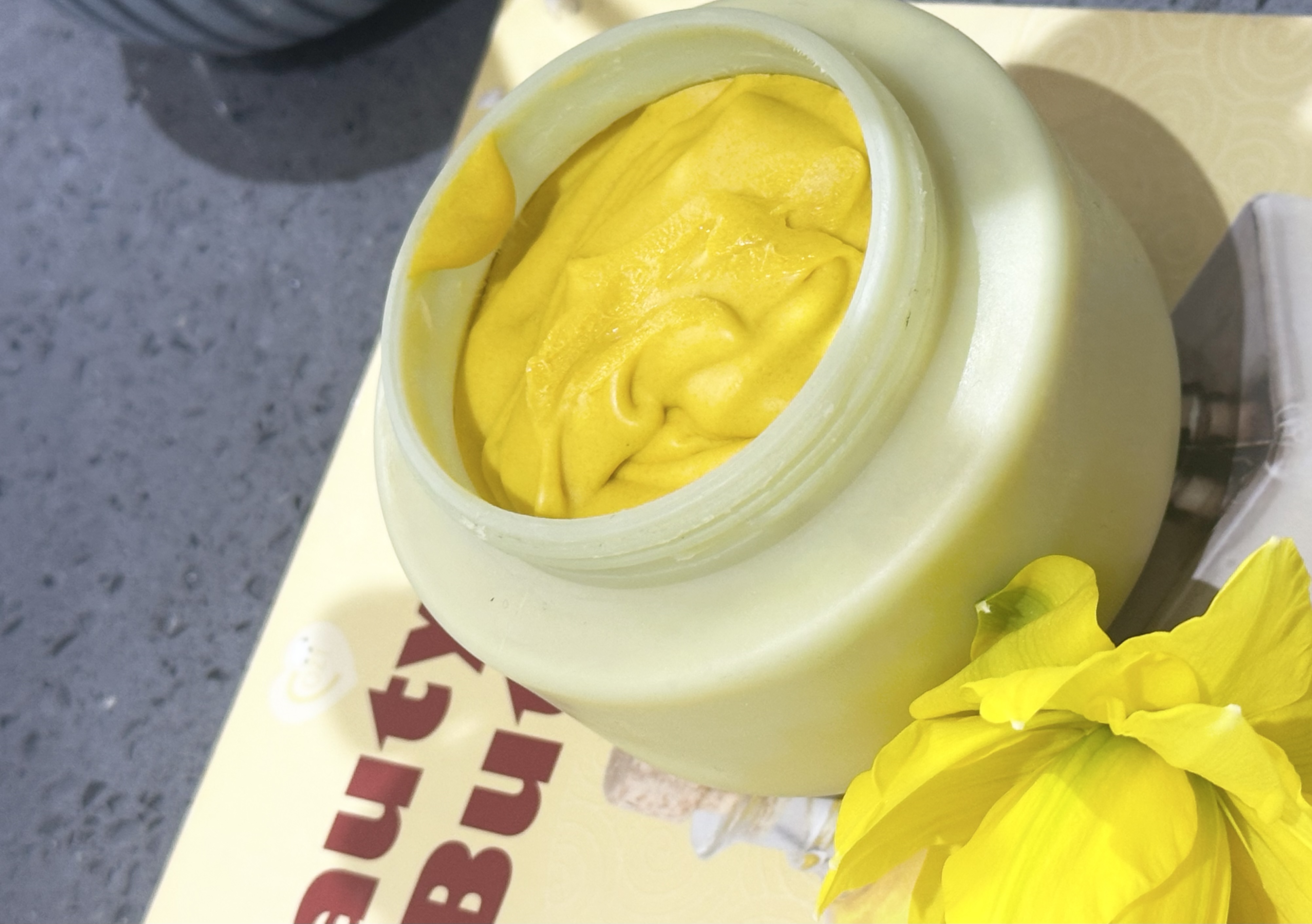
HOW TO USE
This is best used on damp skin in the morning or at night.
I am happy to inform you all that the consistent use of this beautiful cream cleared my eczema, and my skin feels softer and smoother. Thank you so much to all my readers.
I appreciate your patience. Andddd publish!
SOURCES
García Hernández JA et al. (2012). Treatment of surgical scars with rosehip oil.
Kim HJ et al. (2020). Moisturizing and barrier-enhancing effects of Camellia seed oil in topical applications.
 tlgemsandmixes